Liaigre in the light of the Mediterranean
If the shores of the Mediterranean have captivated generations of artists, so much so that some, including Matisse and Picasso, chose to make them their home, it is above all because of their singular light. At times harsh, incandescent and intense, this light shifts from deep blue to brilliant white, then to golden hues at dusk, remaining ever-present throughout the seasons. Within this atmosphere, Liaigre’s palette invites repose, freshness and a renewed sense of time. The landscape sets the tone, but so do the climate, the warmth and the often-powerful winds. The richness of Mediterranean culture is equally integral to this reflection. It is a culture rooted in memory, origins, antiquity and mythology, a world nourished by traditions and rituals, later enriched in the early twentieth century by an unprecedented modernity, as the French and Italian coastlines emerged as the Riviera, the quintessential destination for refined leisure. From the Côte d’Azur to Greece, Liaigre has developed a chromatic language deeply anchored in this cultural landscape, once again expressing the House’s enduring sensitivity to context, the starting point of every project.
See details
If the shores of the Mediterranean have captivated generations of artists, so much so that some, including Matisse and Picasso, chose to make them their home, it is above all because of their singular light. At times harsh, incandescent and intense, this light shifts from deep blue to brilliant white, then to golden hues at dusk, remaining ever-present throughout the seasons. Within this atmosphere, Liaigre’s palette invites repose, freshness and a renewed sense of time. The landscape sets the tone, but so do the climate, the warmth and the often-powerful winds. The richness of Mediterranean culture is equally integral to this reflection. It is a culture rooted in memory, origins, antiquity and mythology, a world nourished by traditions and rituals, later enriched in the early twentieth century by an unprecedented modernity, as the French and Italian coastlines emerged as the Riviera, the quintessential destination for refined leisure. From the Côte d’Azur to Greece, Liaigre has developed a chromatic language deeply anchored in this cultural landscape, once again expressing the House’s enduring sensitivity to context, the starting point of every project.
Close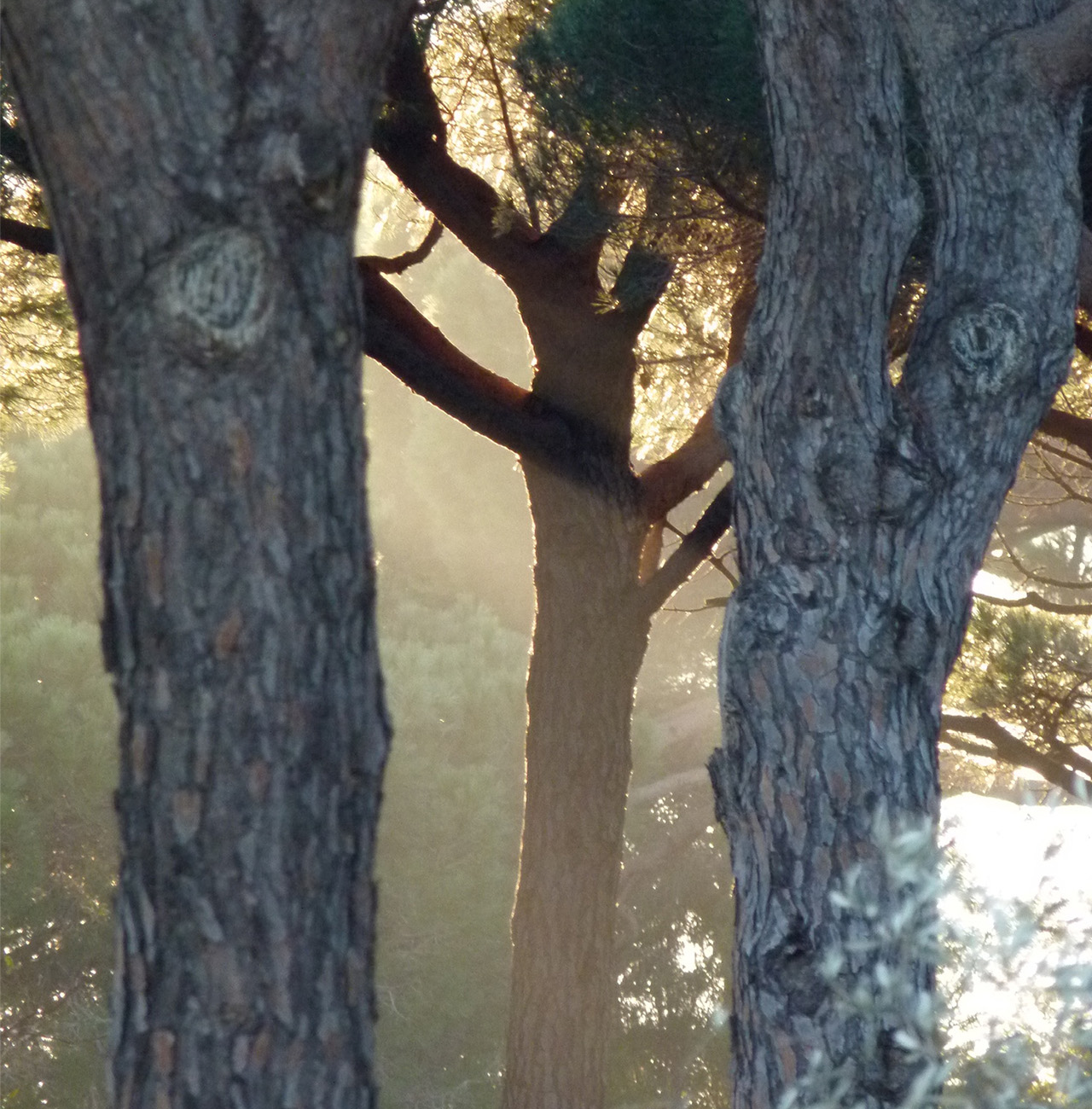
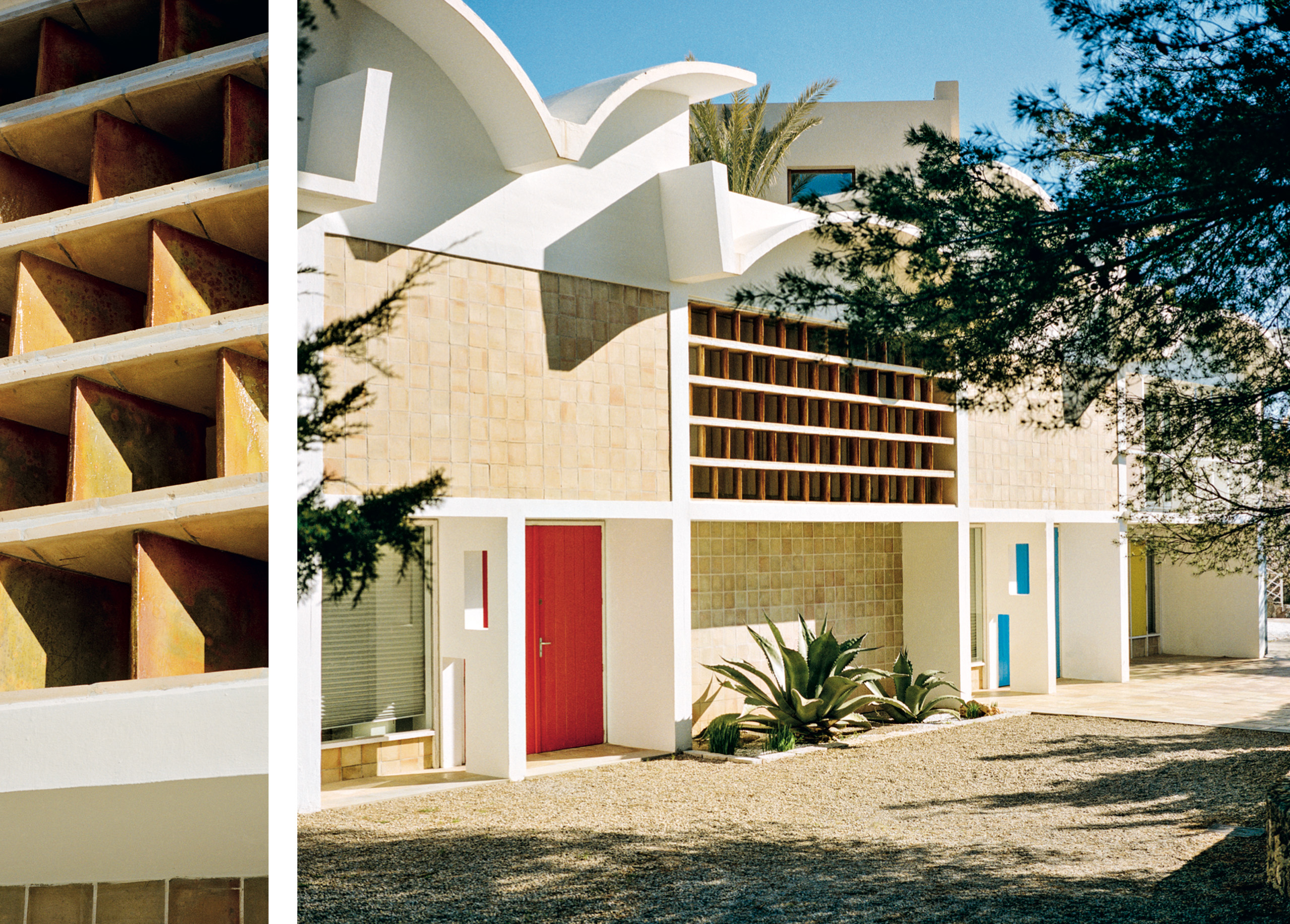
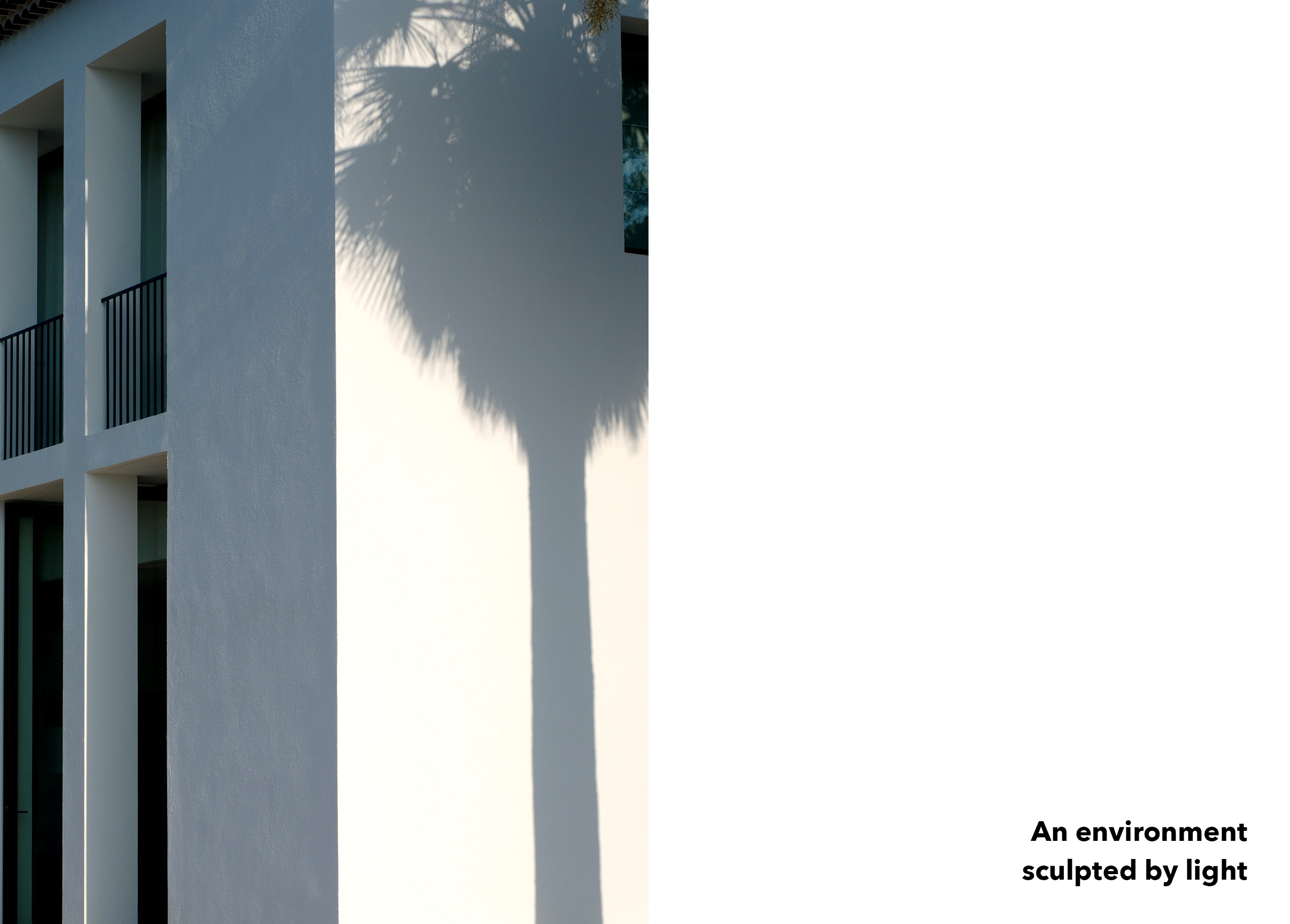
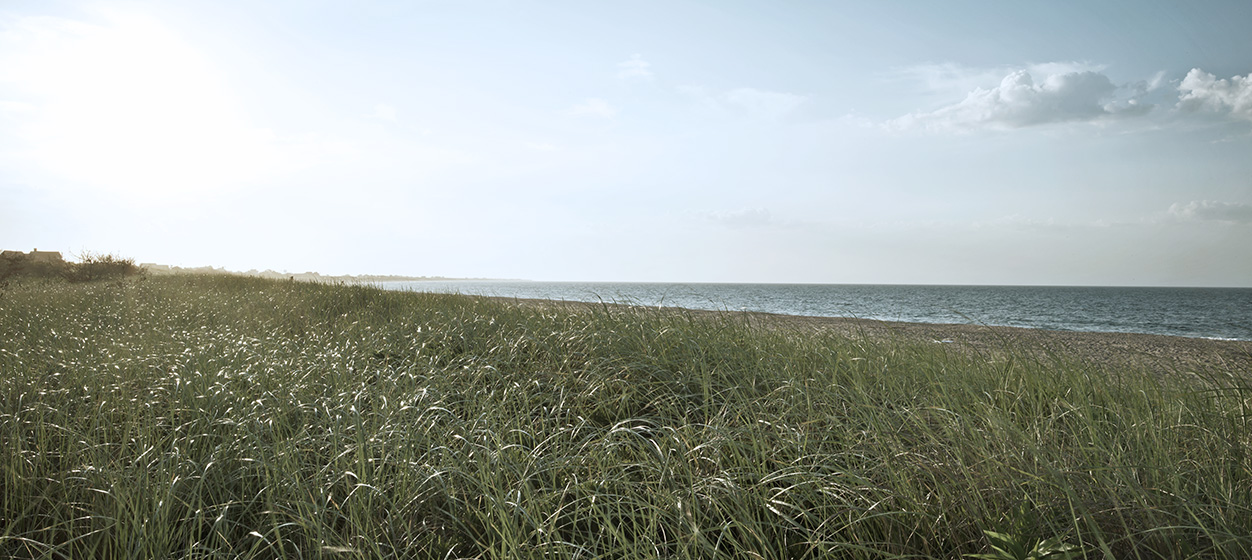
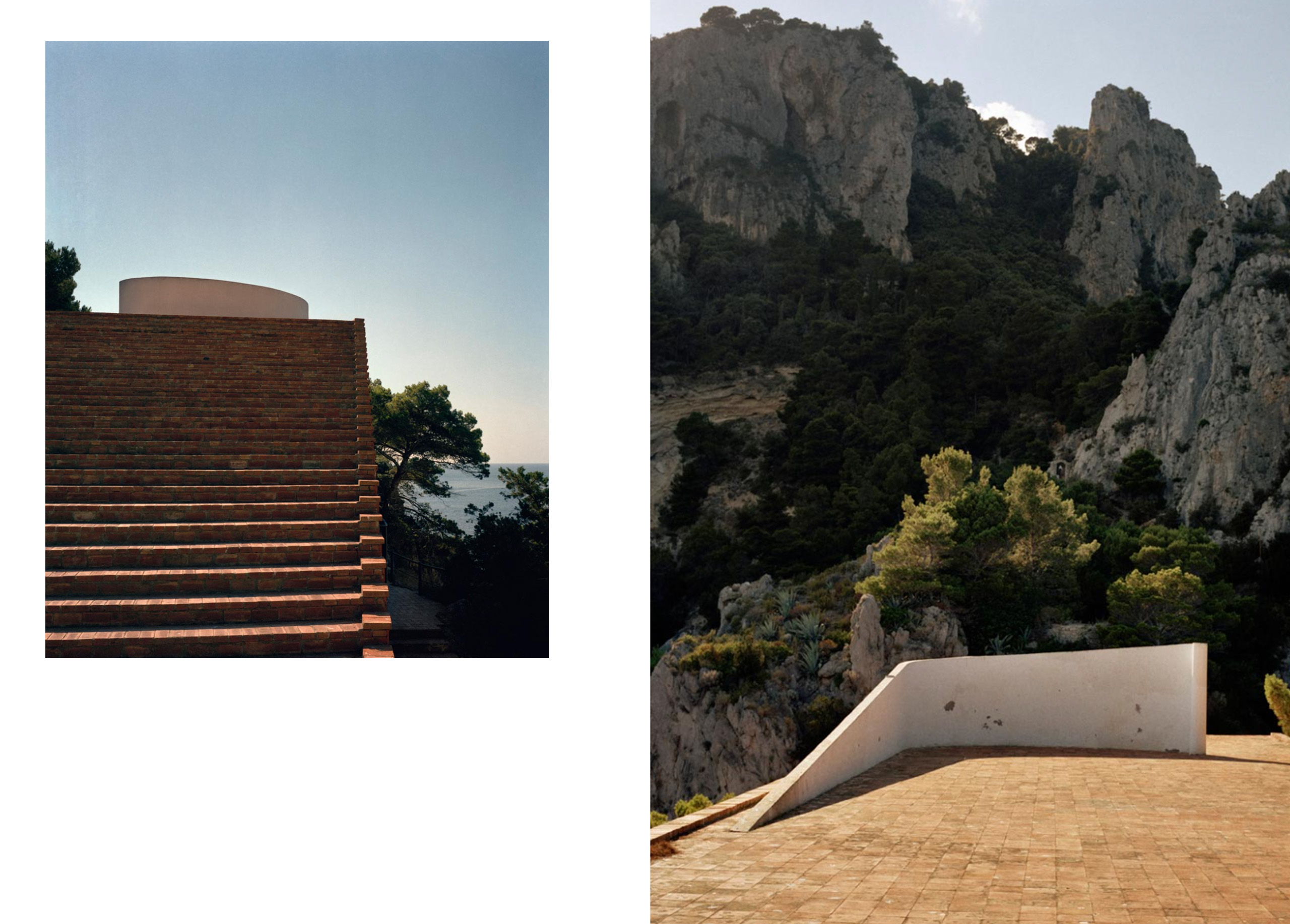
The Mediterranean is defined by a direct, uncompromising light that sculpts volumes and transforms nature. It alternates between intensity and softness, bleaching the landscape beneath the midday sun before enveloping it in clear, luminous shades of blue. The people of the Mediterranean have long responded to this light through colour. Facades are washed in vibrant yellows, ochres, reds and pinks, or, conversely, finished in brilliant white limewash to reflect the heat. Under this distinctive light, landscapes reveal their contrasts, rugged, arid or lush depending on prevailing winds and vegetation: garrigue, maquis, olive groves, and the abundant gardens of the Riviera. This natural environment offers a palette that Liaigre interprets through the lens of its own sensibility.
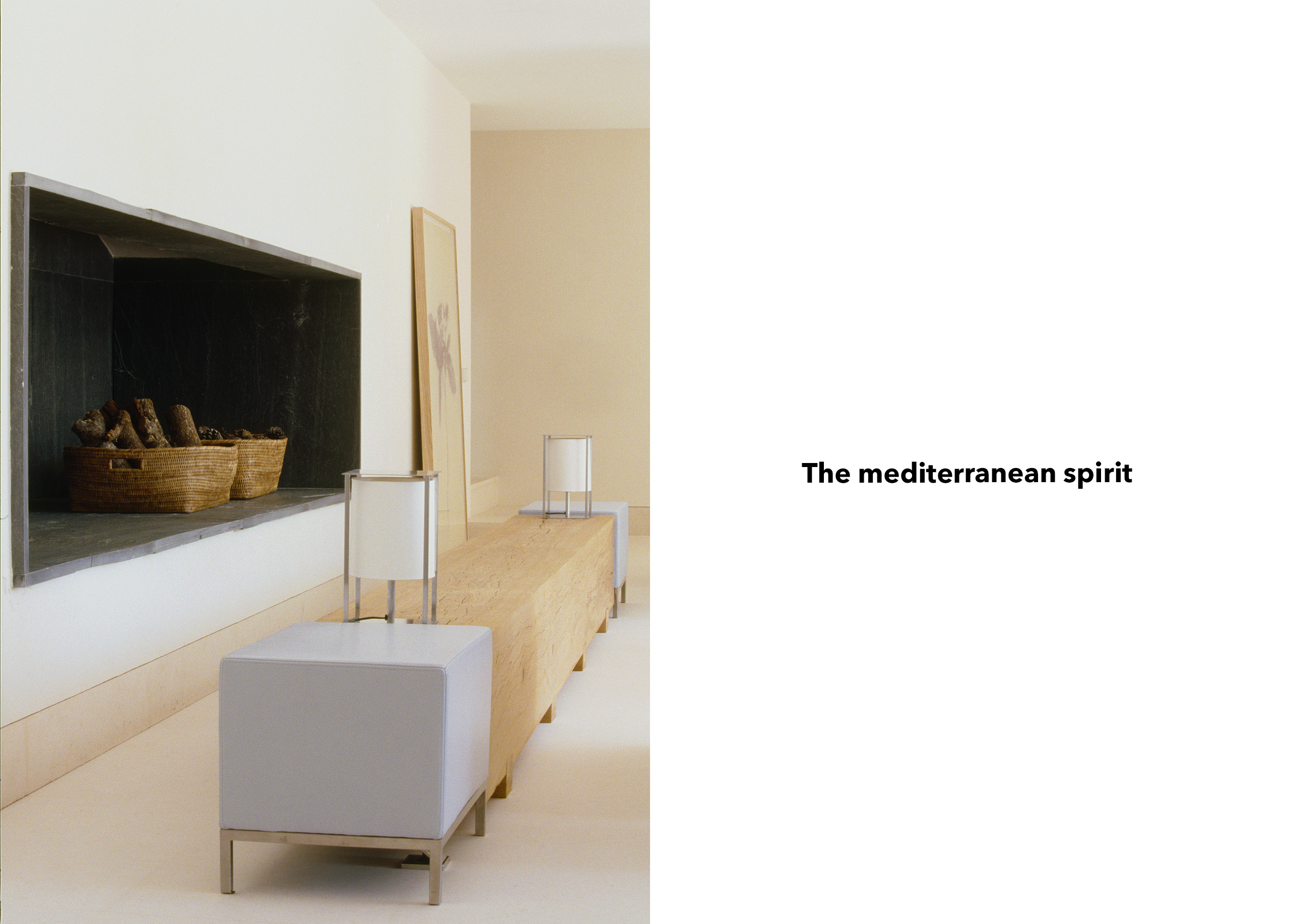
A man of great culture, Christian Liaigre repeatedly expressed his profound respect for history. Through both his interiors and furniture, he explored the evolution of forms and their origins, not through nostalgia, nor through an overly narrative vernacular language, but with a contemporary and essential approach.
For this reason, it is more accurate to speak of a Mediterranean spirit than of literal inspiration, a vision that continues to guide the Liaigre Creative Studio today.
What defines this Mediterranean spirit? Above all, its relationship with memory and time, its attachment to origins, expressed through a vocabulary of materials and colours that convey authenticity and tradition. It is equally characterised by simplicity and humility in the face of landscapes of overwhelming majesty.
This simplicity naturally echoes Liaigre’s design language, which has always embraced an elegant form of restraint. Along the Mediterranean, this understated aesthetic enters into dialogue with the light itself, heightening the beauty of its surroundings.
Beyond the familiar postcard image of Mediterranean life, a more austere beauty emerges. In this spareness, in the absence of unnecessary effect, and in the nobility of materials left in their natural state, or elevated through craftsmanship, a more truthful and enduring story unfolds. Like its materials and muted tones, this Mediterranean reveals itself gradually; its appeal is never immediate, but deeply lasting.
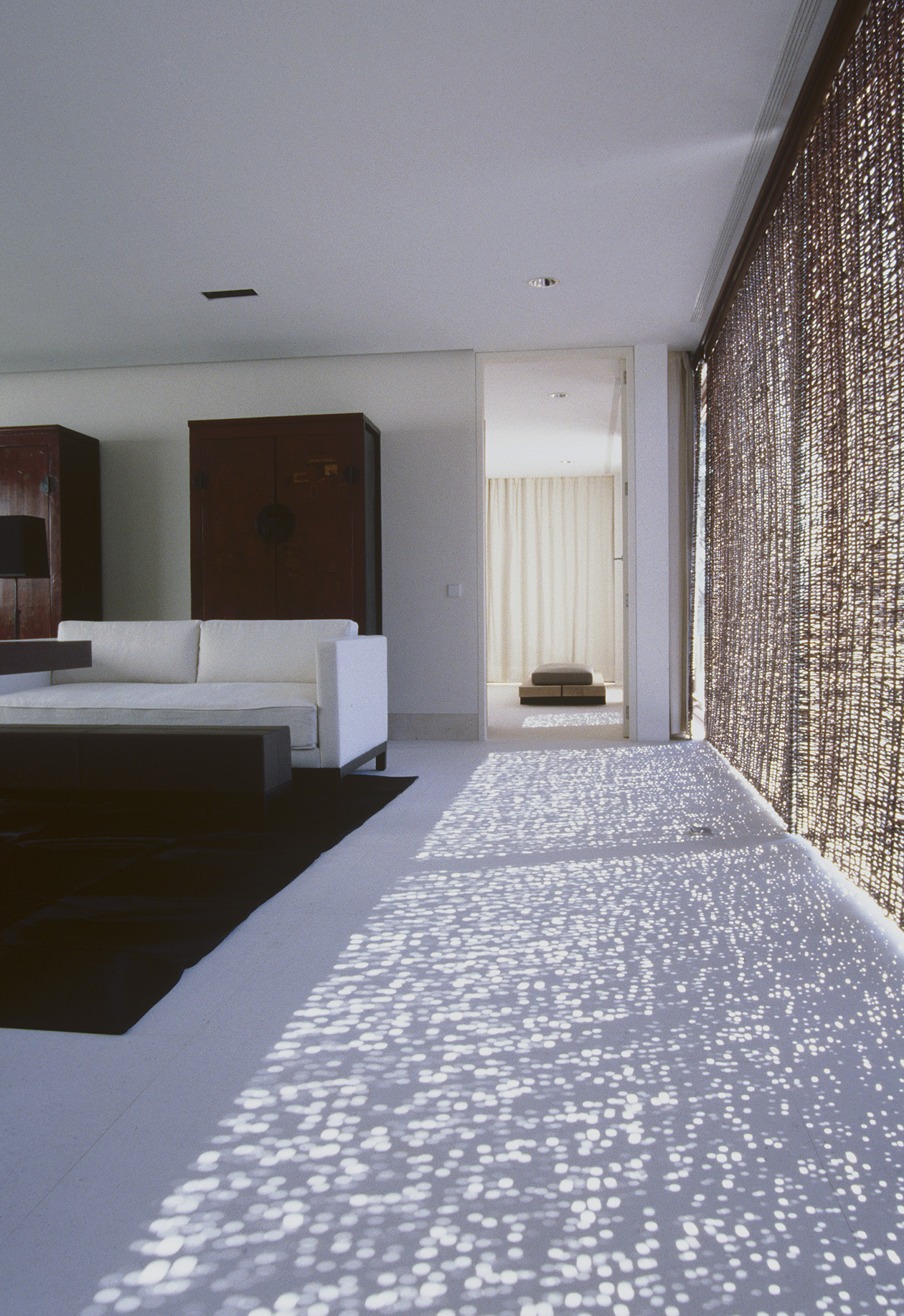
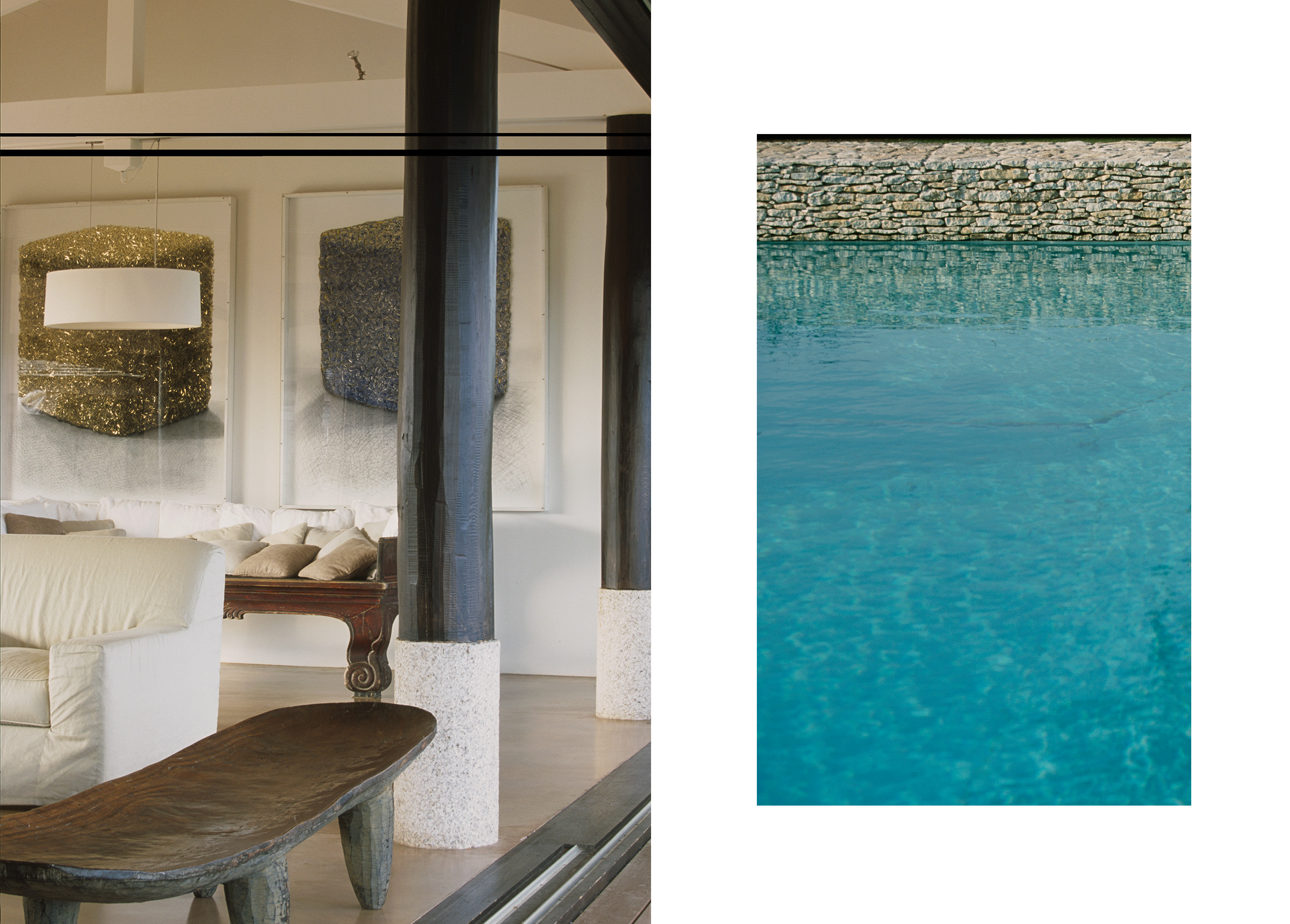
Everything begins with white, the timeless white of marble and travertine, the stones with which the Greeks and Romans built countless temples, agoras and baths. These materials embody the memory and foundation of an architectural language that has become universal. They are also among Liaigre’s preferred materials for bathrooms, floors and architectural surfaces. A nuanced palette of whites naturally extends to façades and interiors alike, where it evokes freshness: walls, curtains and sofas. Whether in Mougins, Corsica or Athens, these subtle variations in tone and density create a profound sense of serenity, offering a soothing counterpoint to the warmth outdoors. Because Liaigre embraces contrast, this white is sometimes paired with black. Window frames, blackened wood coffee tables, lacquered surfaces or black-patinated bronze pieces create a graphic dialogue that paradoxically intensifies the luminosity of white itself.
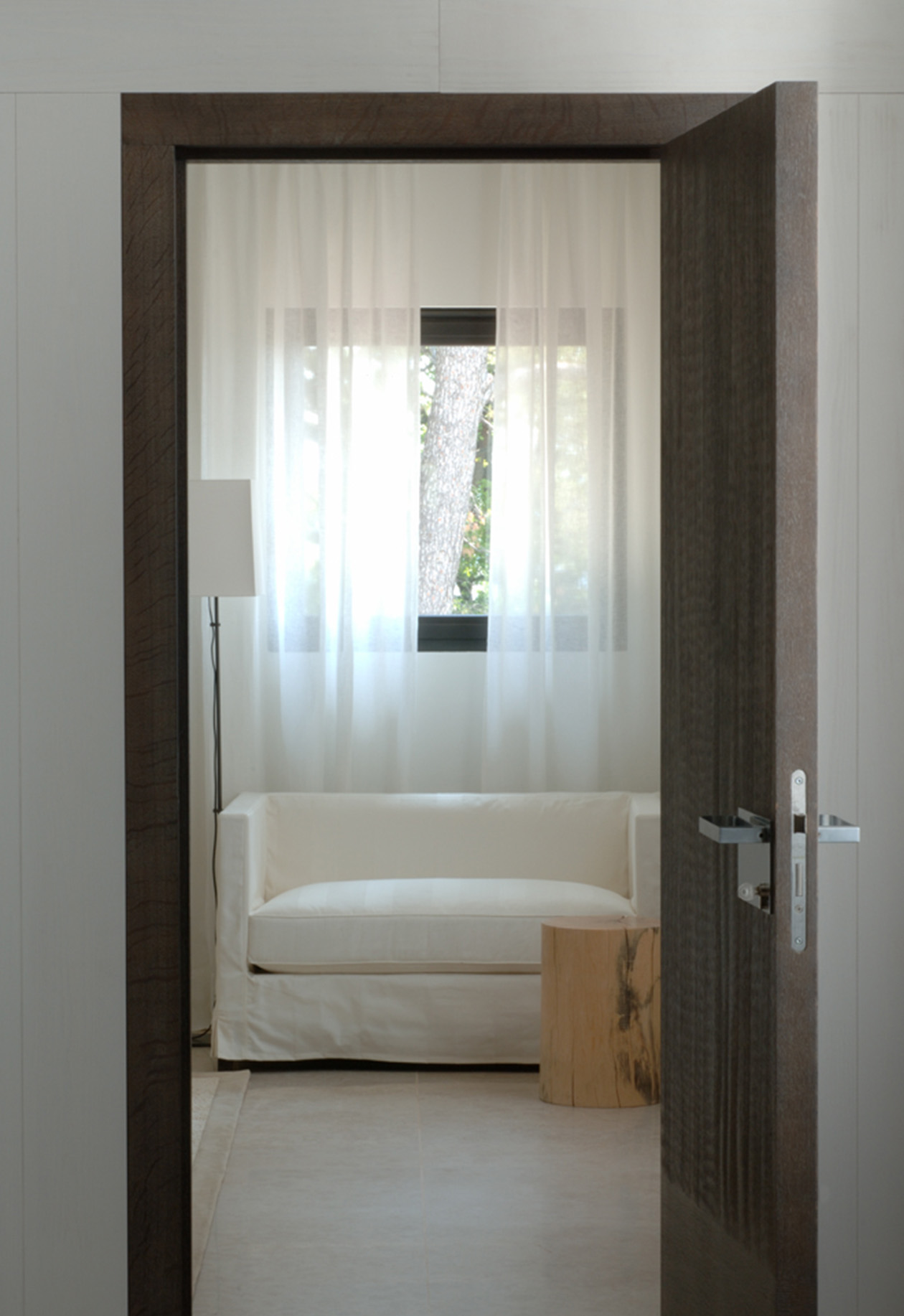
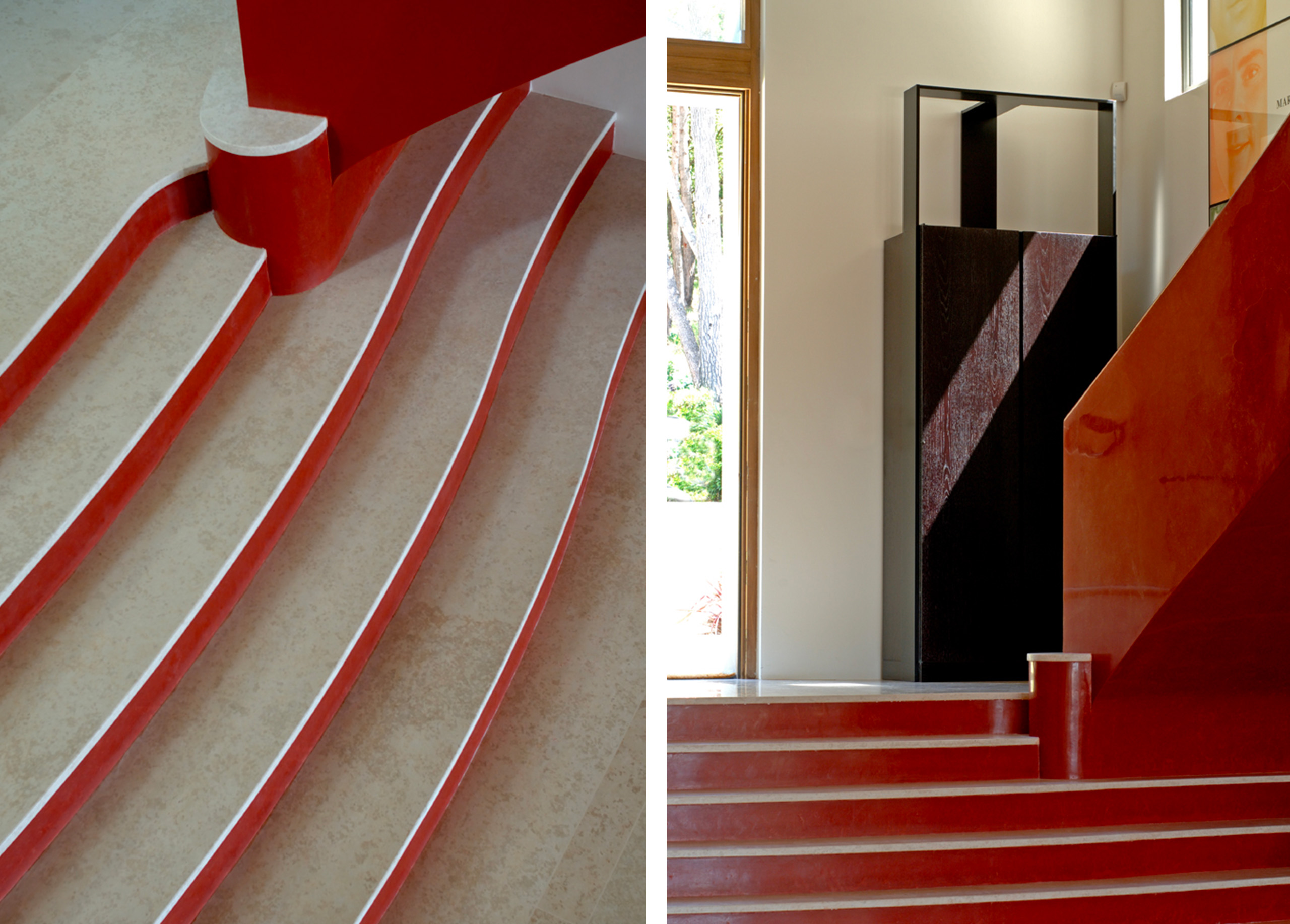
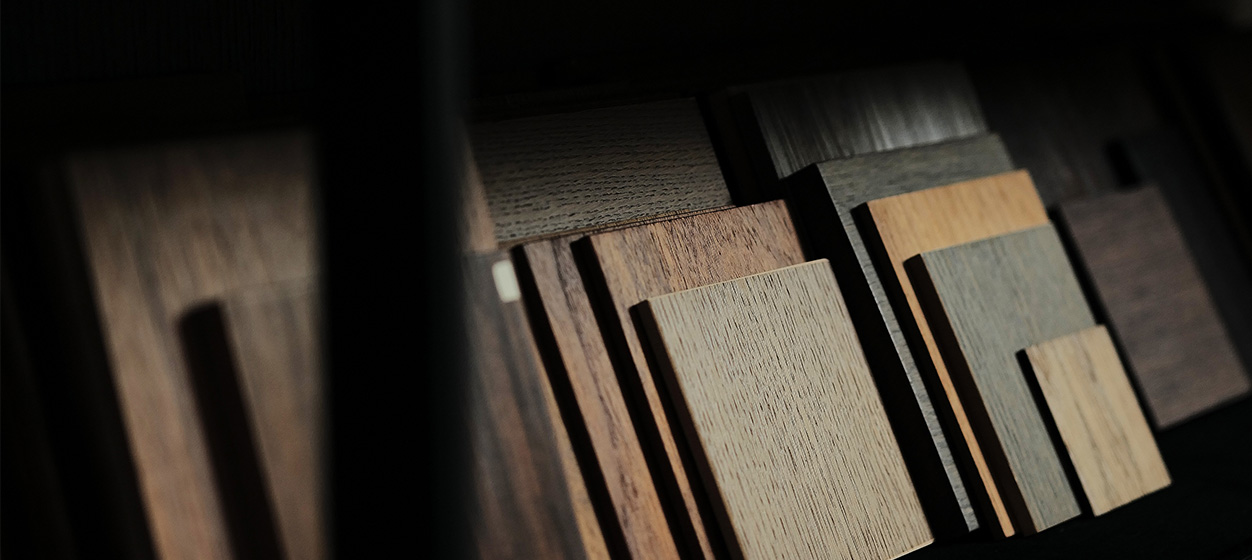
Black-patinated bronze, much like marble and travertine, introduces a visual language inherited from Greco-Roman antiquity. It becomes a powerful presence within Mediterranean interiors, appearing in side tables, armchairs, lighting and candelabras, quietly evoking centuries of history. A range of beiges follows, drawn directly from the landscape itself: sand, earth and warmer terracotta tones with subtle pink undertones. Here again, natural materials prevail, light woods, hand-thrown stoneware table bases, tulle-finished tabletops, beige and cognac leathers, and rugs woven from undyed wool. Occasionally, vibrant colour appears almost as a manifesto. In Mougins, for example, the staircase, with its cinnabar-red risers and structural framework, becomes the defining signature of the house. Elsewhere, bold
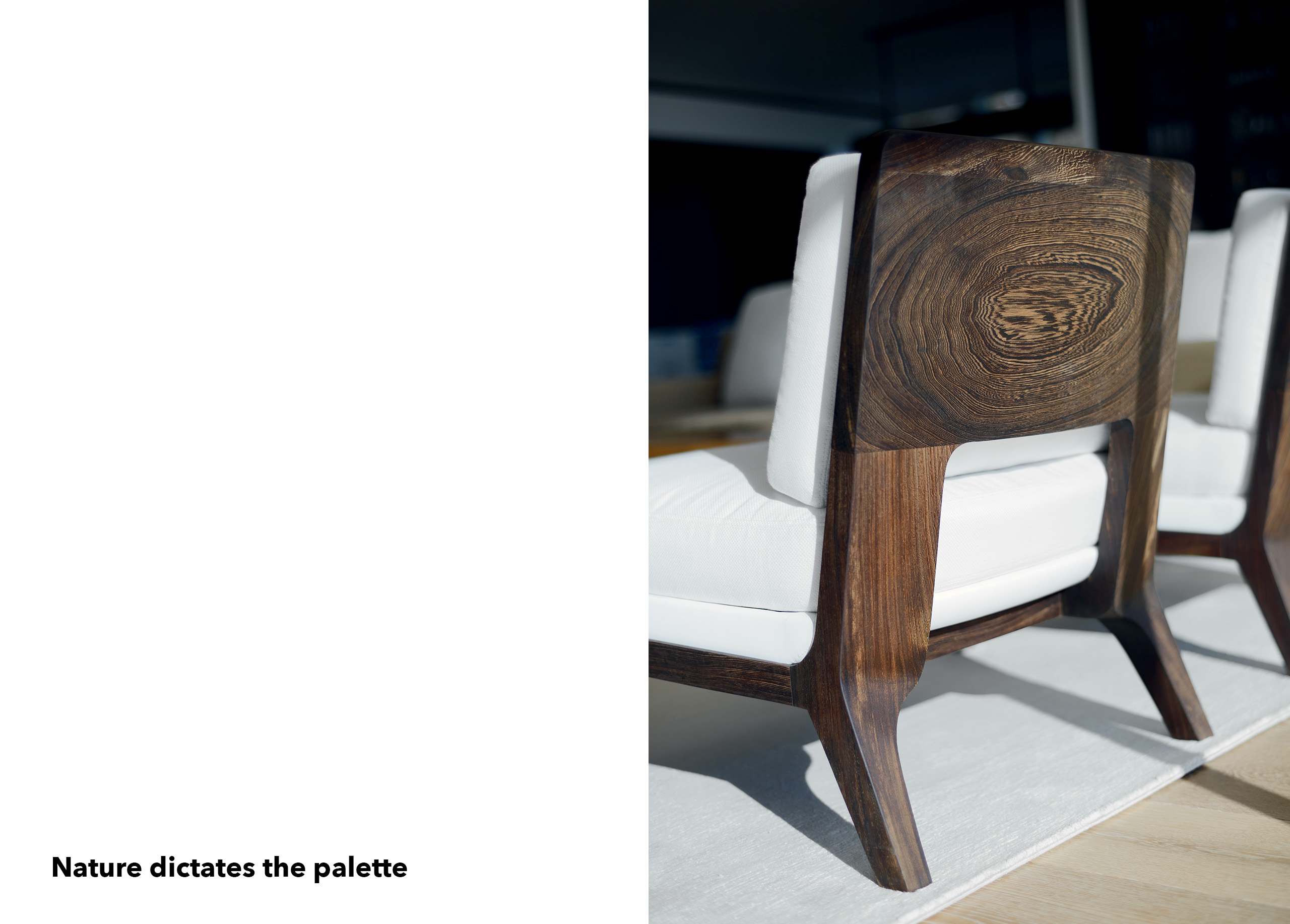
colour is introduced more sparingly through lacquered side tables or decorative accessories. The dialogue with the outdoors remains constant. Swimming pools, terraces and gardens naturally bring colour into the home, dissolving the boundary between interior and exterior. Within this atmosphere, Liaigre offers a subtle expression of its design vocabulary. The Mediterranean, as a place of particular affinity, occupies a natural place within the House’s creative geography. Here, emotion born from beauty finds expression in interiors that seem inseparable from the landscapes to which they belong.