Spas, cultivating well-being
From the Roman thermae to today’s contemporary spas, the culture of well-being has continuously evolved, reshaped by shifting practices and ways of life. At once places of relaxation and social exchange, and spaces dedicated to hygiene and care, baths have always fulfilled a dual role, both social and therapeutic. The spa as we define it today is the result of a more recent transformation, bringing together diverse traditions, hammams, saunas, Japanese baths, and adopting a holistic vision of the experience. Architecture lies at the core of this experience, giving form to spaces where sensory perception takes precedence. Whether located in the heart of a city or a destination retreat, within a private residence, a hotel, or even aboard a yacht, the spa has become a contemporary sanctuary, offering relaxation, disconnection, serenity, and a return to oneself. In this exacting field, which demands both sensitivity and restraint, Studio Liaigre has distinguished itself through an approach marked by subtlety and refinement.
See details
From the Roman thermae to today’s contemporary spas, the culture of well-being has continuously evolved, reshaped by shifting practices and ways of life. At once places of relaxation and social exchange, and spaces dedicated to hygiene and care, baths have always fulfilled a dual role, both social and therapeutic. The spa as we define it today is the result of a more recent transformation, bringing together diverse traditions, hammams, saunas, Japanese baths, and adopting a holistic vision of the experience. Architecture lies at the core of this experience, giving form to spaces where sensory perception takes precedence. Whether located in the heart of a city or a destination retreat, within a private residence, a hotel, or even aboard a yacht, the spa has become a contemporary sanctuary, offering relaxation, disconnection, serenity, and a return to oneself. In this exacting field, which demands both sensitivity and restraint, Studio Liaigre has distinguished itself through an approach marked by subtlety and refinement.
Close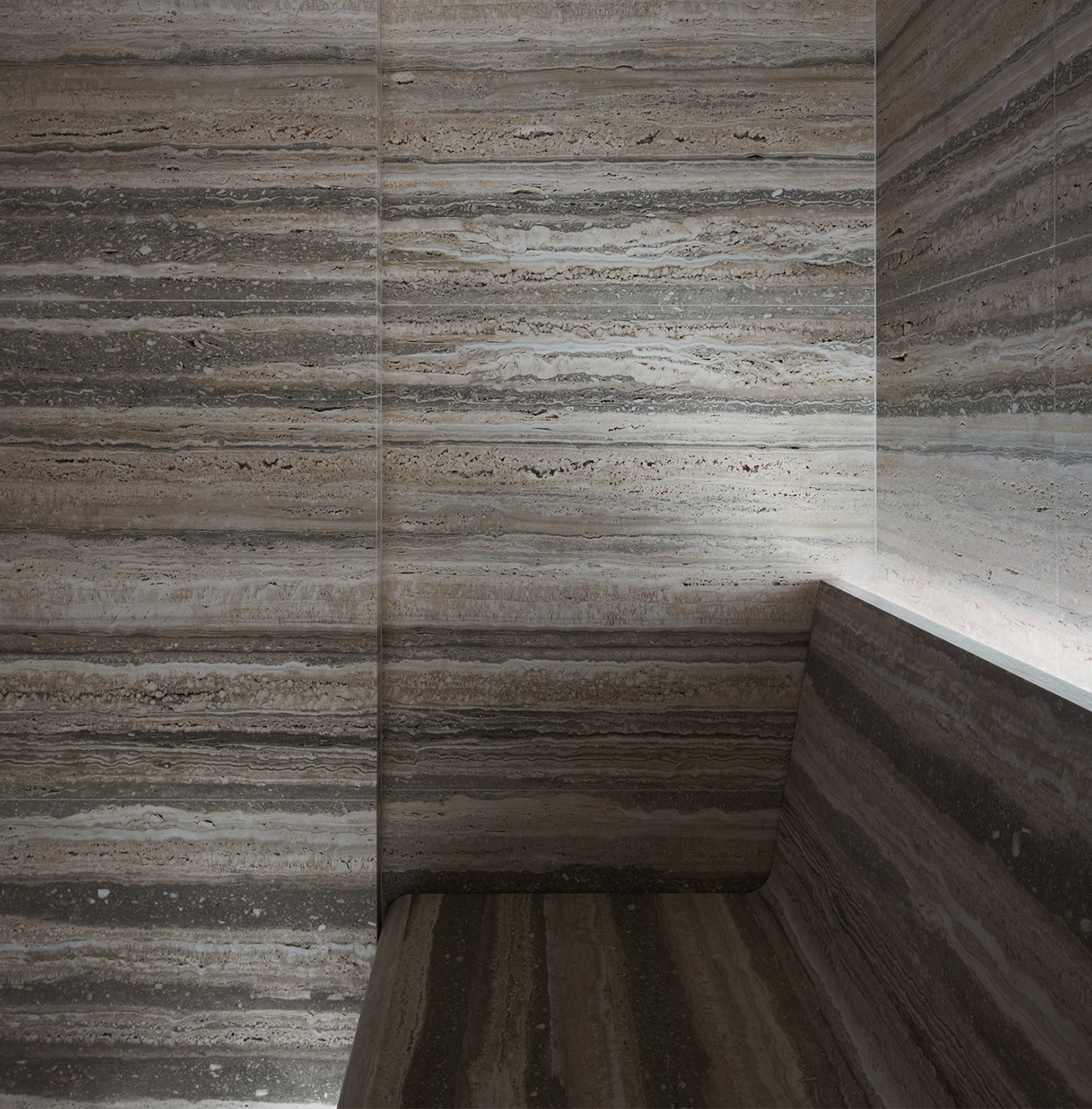
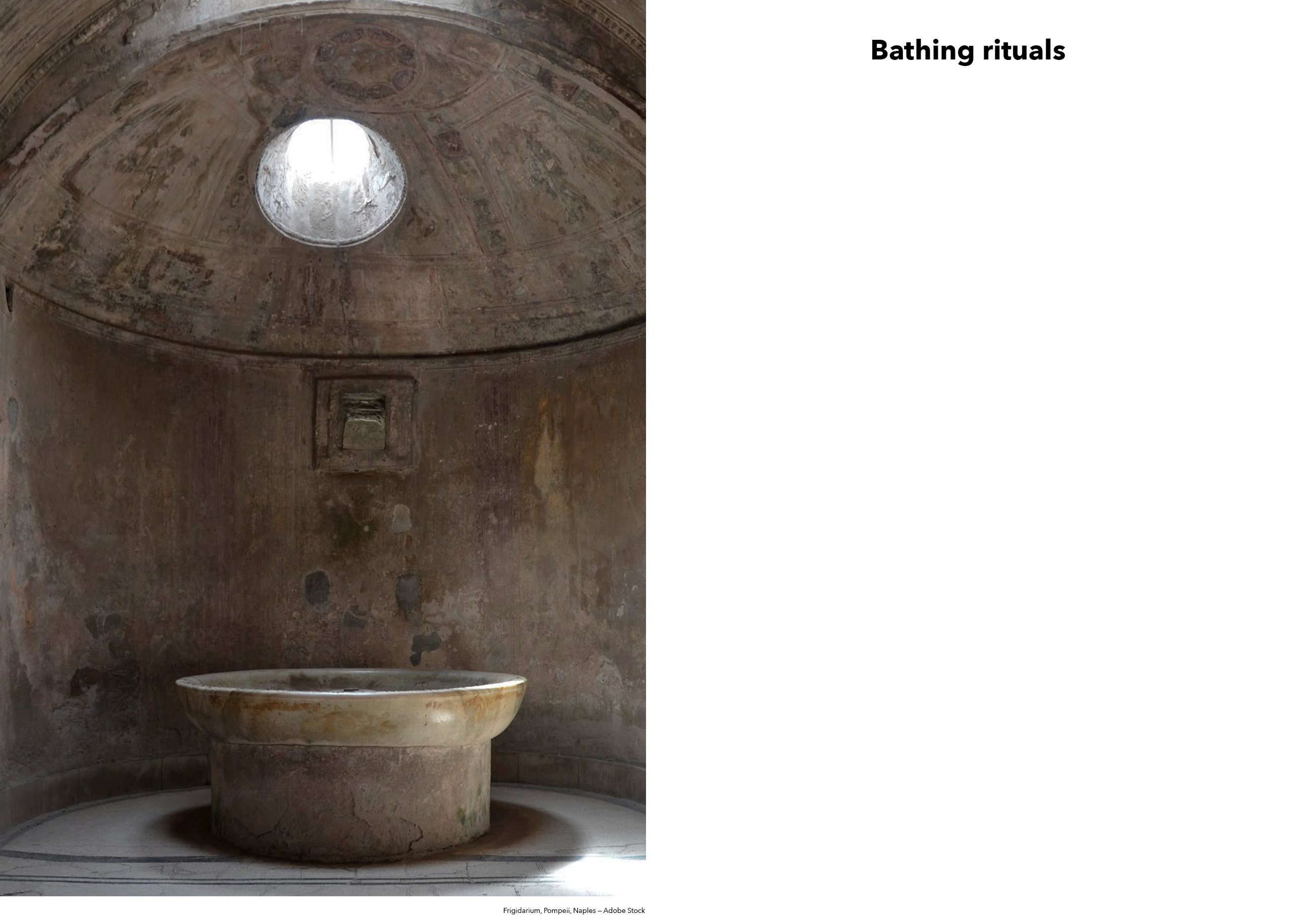
The origins of what we now call the spa can be traced back to Roman Antiquity, both in architectural form and social function. Conceived as places of relaxation and social exchange, Roman baths were organized around clearly defined spaces: the caldarium, dedicated to steam and hot baths; the tepidarium, a transitional space for rest; and the frigidarium, reserved for cold-water immersion. Within this setting, the wealthiest Romans also enjoyed therapeutic treatments such as massages and scented oils. Elsewhere, the Greeks incorporated bathing facilities into gymnasiums and sanctuaries, while in Egypt and throughout the East, water assumed ritualistic and medicinal roles. Following the fall of the Roman Empire, the vast bath complexes fell into decline, as the Church viewed public bathing as a source of moral and sanitary concern. Only thermal baths supplied by natural hot springs endured in parts of Central Europe, particularly in Hungary and Bohemia, throughout the Middle Ages. From the 15th century onward, and through to the 19th century, Roman bathing culture was gradually rediscovered. Water came to be prescribed as a form of therapy, and the practice of “taking the waters” gained renewed prominence. This revival culminated in the 19th century with the development of spa towns, where grand bathhouses and luxurious hotels attracted royalty and the industrial and financial elite, anticipating a form of refined tourism that continues to thrive today.
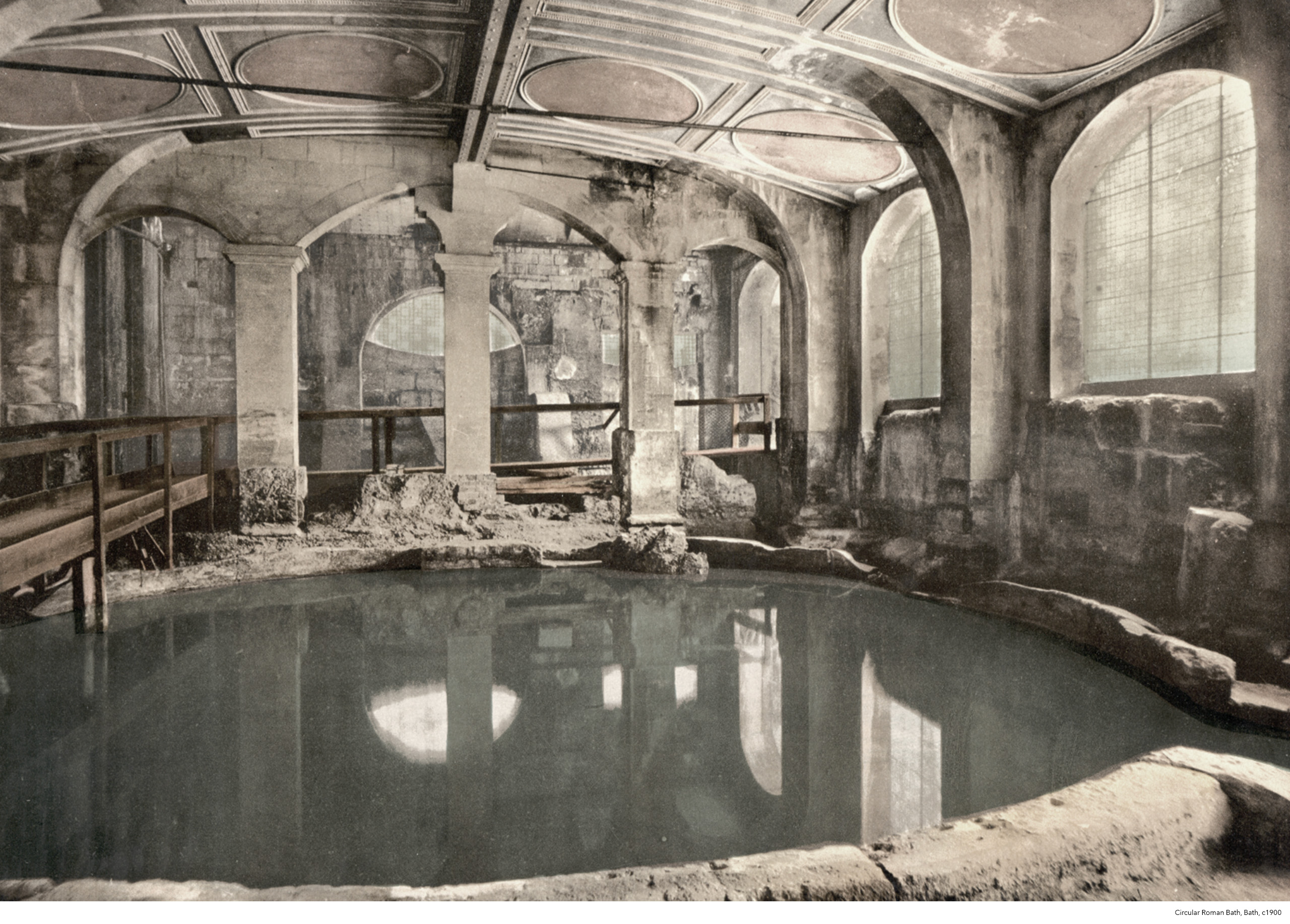
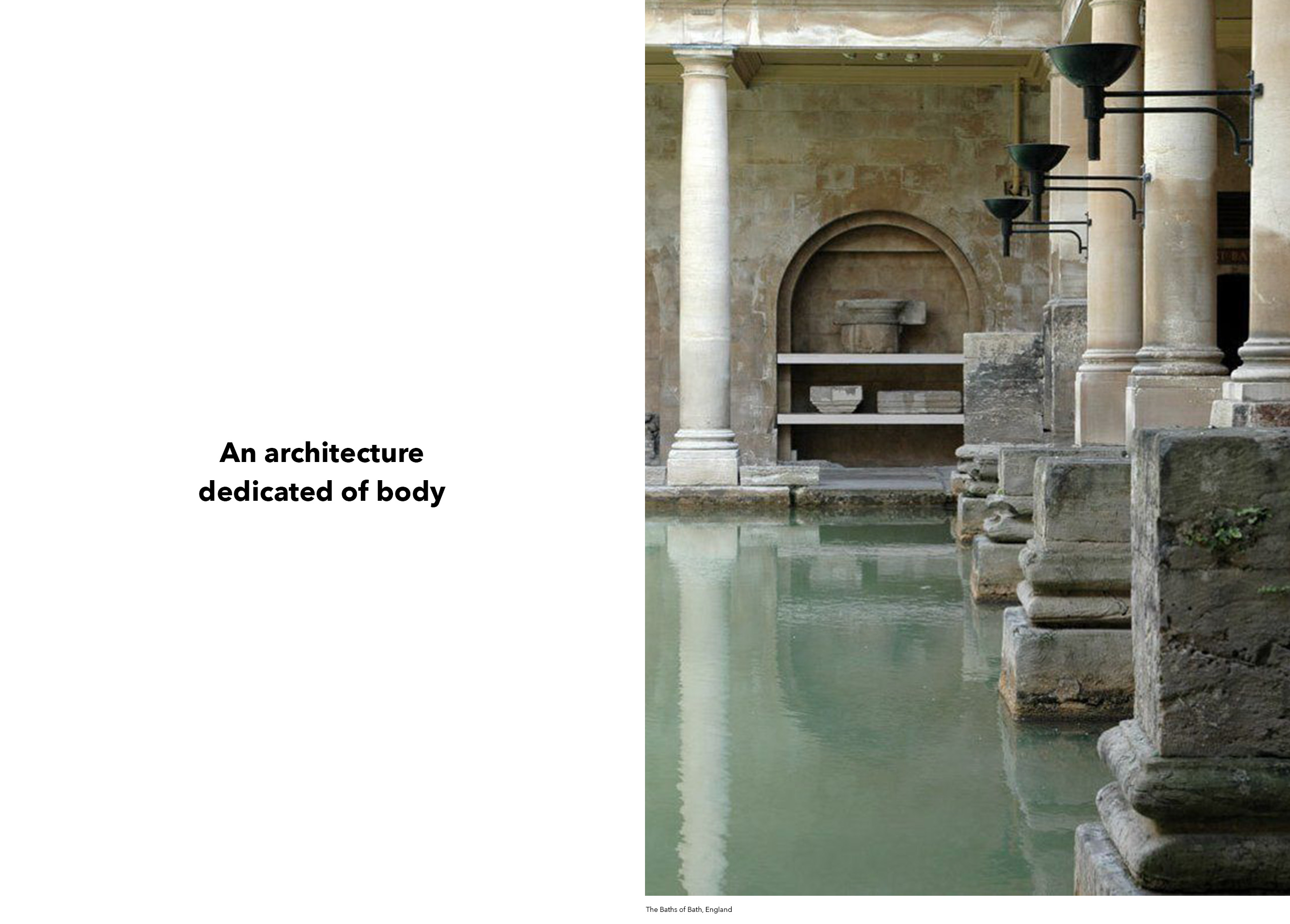
The history of bath architecture offers insight into how each era has conceived the body, space, and social interaction. Over time, it has also been shaped by evolving stylistic vocabularies, seeking a balance between functionality and aesthetic expression. Rooted in the principles of imperial architecture, Roman baths were most often designed around axial, symmetrical plans, occasionally crowned with monumental vaults and domes. They reveal a refined understanding of the interplay between water, light, and materials. The bather’s experience unfolded as a ritualized journey through a sequence of spaces—the caldarium, tepidarium, and frigidarium—
frequently enriched with mosaics, marble surfaces, and sculptural elements. These Roman thermae form the foundation of the modern spa, conceived as a carefully staged architecture devoted to well-being. In the periods that followed, particularly during the Middle Ages, a more austere approach prevailed, reflecting a largely utilitarian vision of such spaces. Enclosed and introspective, reminiscent of monastic cells, these environments favored subdued, almost mystical lighting and gentle spatial transitions. This legacy continues to inform contemporary spa design, where calm and restraint remain central aesthetic values.
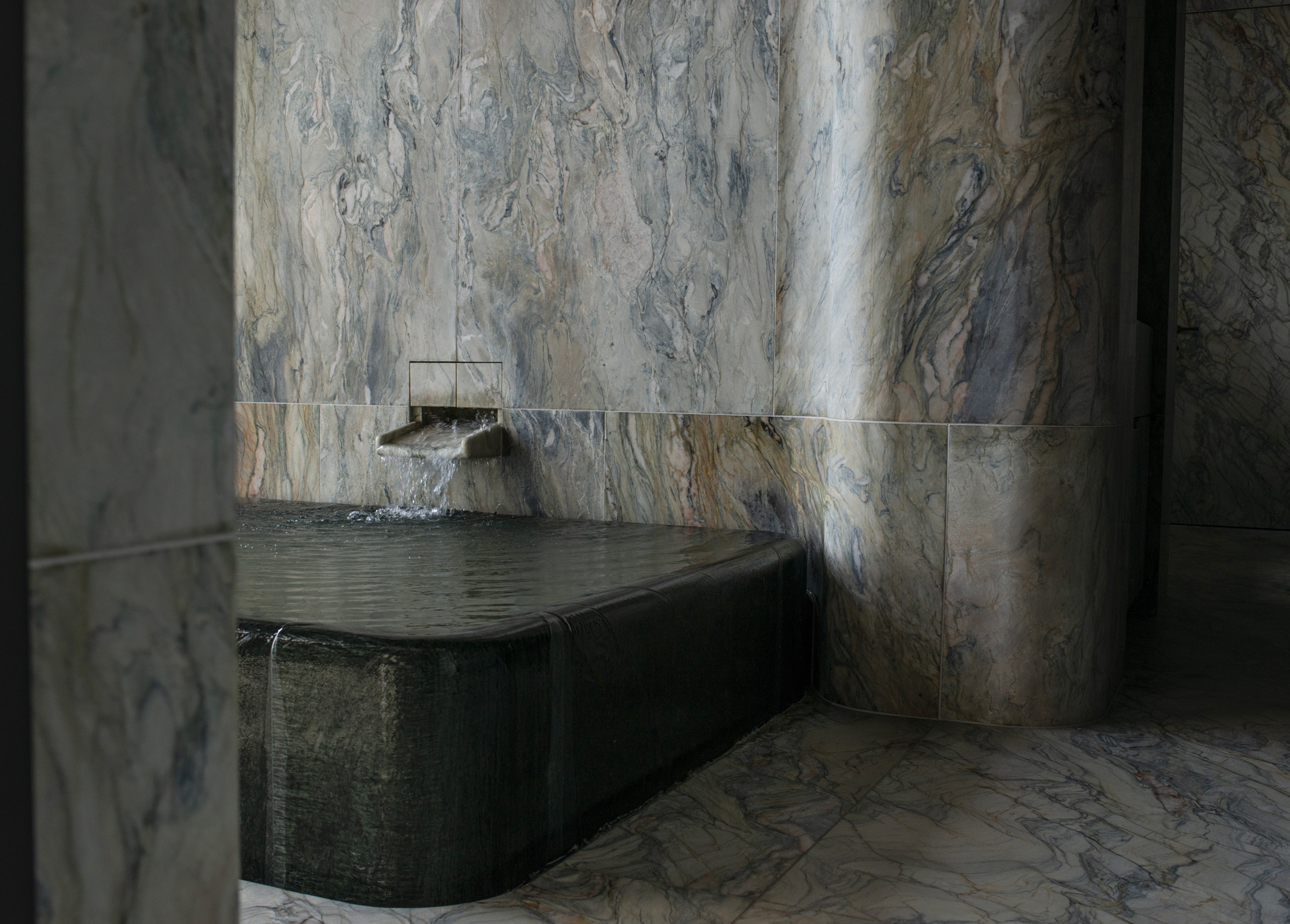
The 19th century marked a decisive shift, as baths became prominent settings for social life. In spa towns, bathing facilities were integrated into vast architectural ensembles alongside luxurious hotels, where the ritual of taking the waters combined well-being with social display. During the 20th century, hygiene and public health emerged as dominant concerns. Public baths became more accessible, while thermal resorts preserved their aura of prestige. Bathhouses and palatial hotels reflected the major architectural movements of their time, from Art Nouveau in the early years to the rise of Modernism in the 1920s and 1930s. Caring for the body and cultivating well-being became a defining expression of modernity. The post-war period remained marked by functionalism, shaped by Bauhaus ideals and International Modernism. Spas adopted a pragmatic language, celebrating natural light and contemporary materials, glass, steel, and concrete, in a spirit centered on health and hygiene. From the 1990s onward, these spaces experienced renewed vitality, driven by travel and the rediscovery of hammams, saunas, and Japanese baths. Once again, moments of rest and care were envisioned as immersive, holistic sensory experiences. Architecture, materials, and light define the spa of the late 20th and early 21st centuries, reflecting a sensitive approach to space, one conceived as a serene interlude that extends beyond mere care to offer calm and contemplation. Contemporary spas are designed to restore harmony between body and mind.
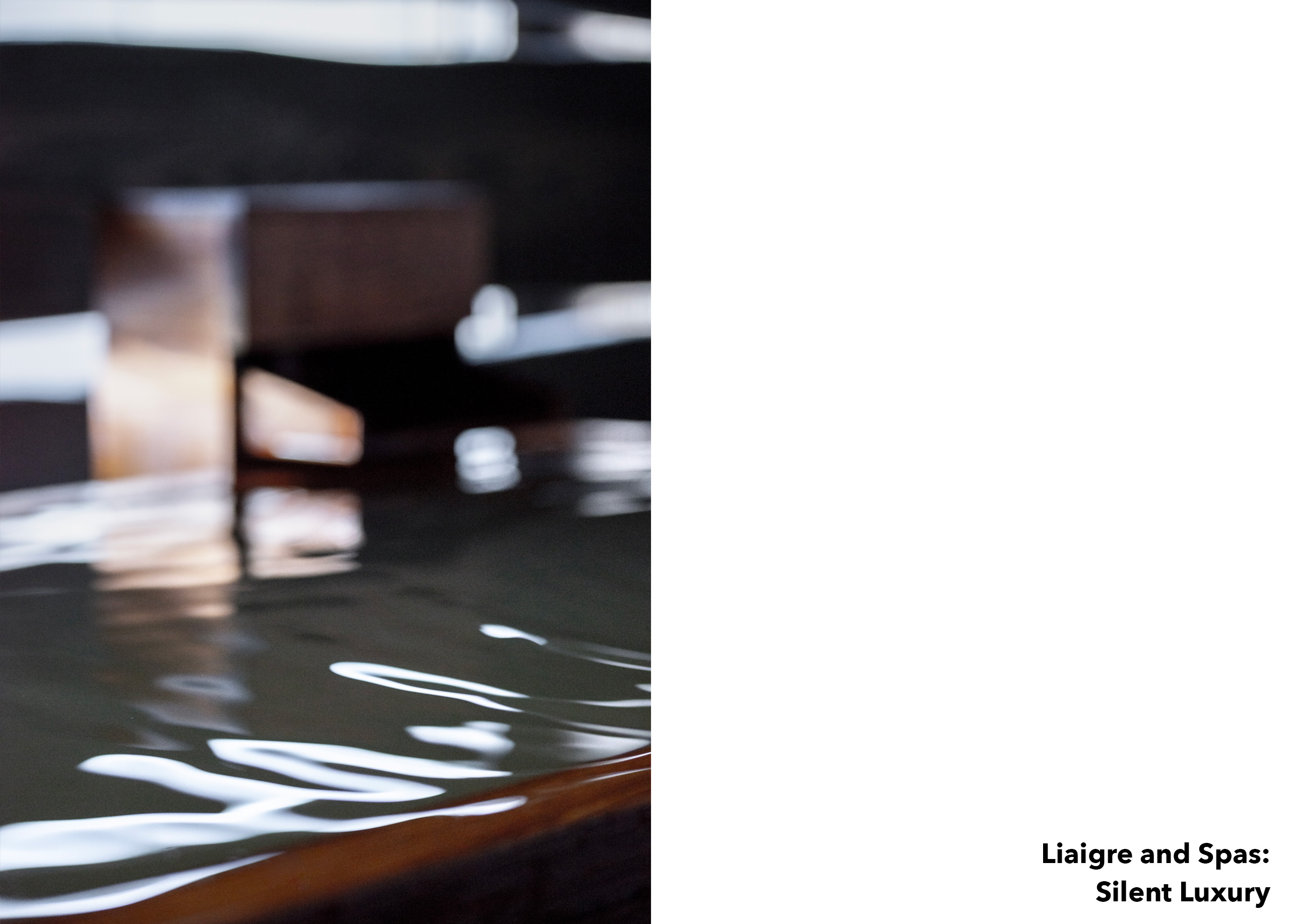
Within an aesthetic of restraint that has become a hallmark of its visual language, Liaigre projects its core values into the spas and wellness spaces it designs. These architectural compositions often take shape within private residences, whether permanent homes or holiday retreats, situated in major cities or extraordinary natural landscapes around the world. From Munich to St. Moritz, from Niseko to London, or aboard the yacht Cloudbreak, Liaigre crafts a design vocabulary that embodies its singular vision of luxury. Each space, comprising swimming pools, saunas, relaxation rooms, or fitness areas, is conceived in response to its specific context, both geographical and functional, shaped by the routines and lifestyles of its owners. A unifying thread runs through these projects: meticulous attention to noble materials, which form the foundation of a narrative and identity. Veined marbles, granite, travertine, richly toned woods, and patinated metals are employed to craft the spa as an interior landscape that engages the senses and invites repose. Light plays a major role in the experience, treated with subtlety and softness to reinforce the sense of tranquility that defines these spaces.
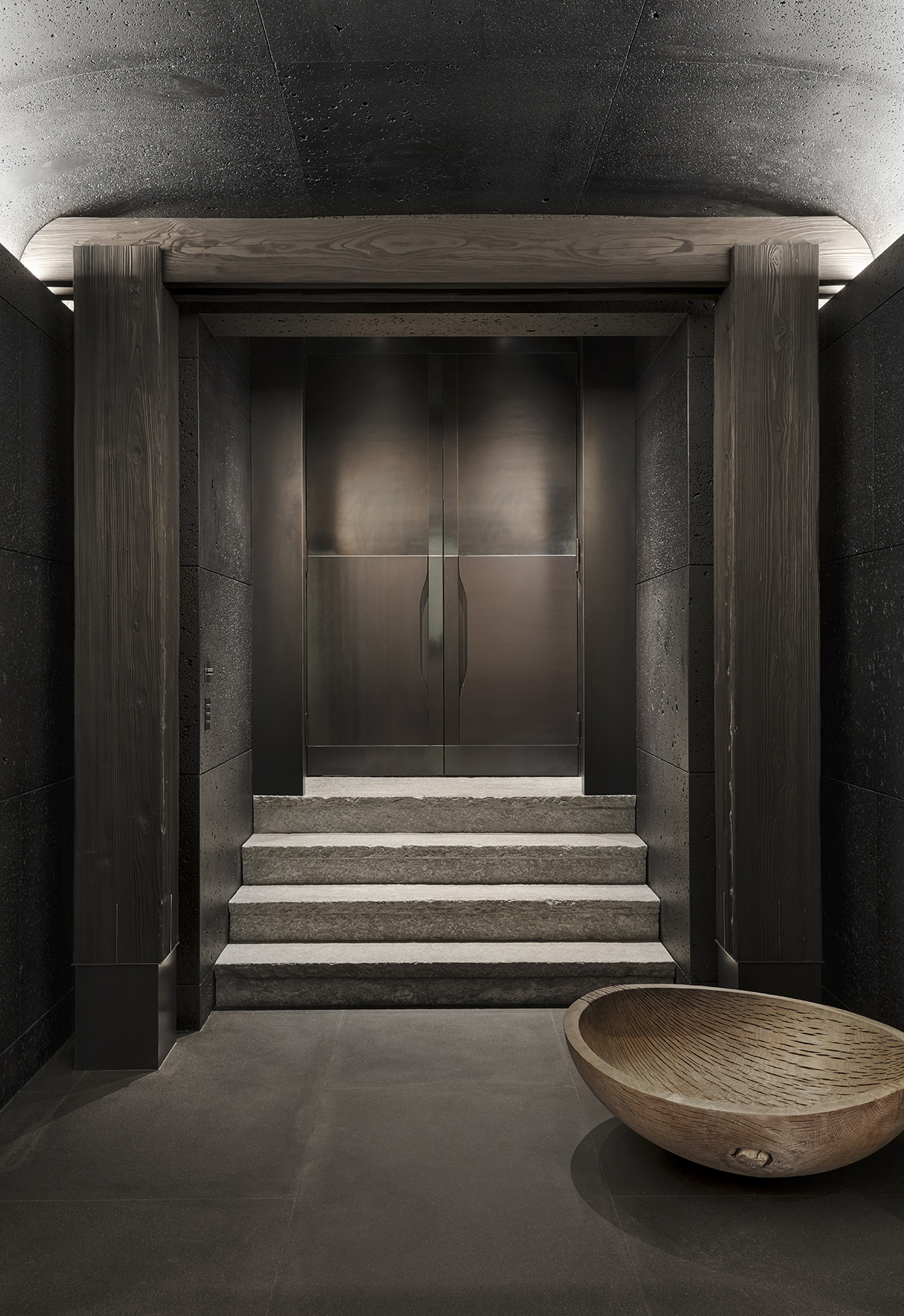
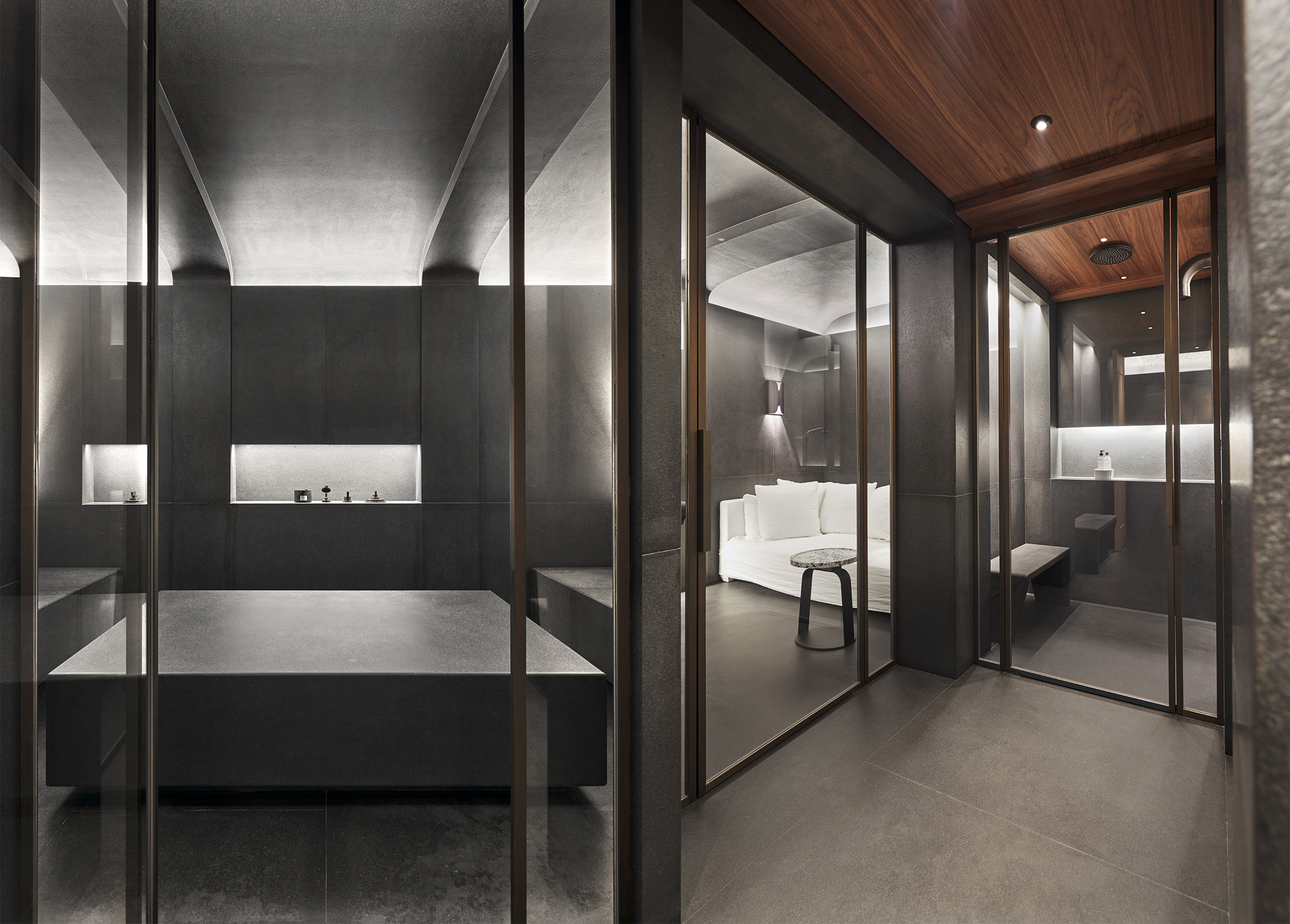
Whether located in the heart of the city, amid mountains, or elsewhere, the spa becomes a cocoon, a suspended moment in time. Each element, entrance, changing room, hammam, sauna, pool, massage room, or fitness area, unfolds as part of a ritual, guiding users to reclaim a sense of time and enter an imaginative realm apart from the everyday. In designing these spaces, Liaigre draws inspiration from aesthetic fascinations such as Japan and the natural world, reflected in materials that evoke the surrounding landscape. At the same time, the studio underscores its commitment to sensory experience: tactile surfaces, harmonious proportions, a thoughtful relationship between body and architecture, fluid movement through space, and both visual and acoustic comfort. This absolute sophistication is conveyed with the utmost subtlety, through a language free of ostentation, a quiet luxury that has made Liaigre the trusted partner of a discerning clientele.
Discover other
Patterns